
How to Qualify for OpenTrade Testnet: Step-by-Step Security Runbook

- 🎯Primary Objective: Supply mock USDC liquidity into institutional T-Bill lending vaults on Sepolia testnet.
- 🎯Estimated Capital & Gas: $0.00 (free testnet execution using Sepolia ETH and OpenTrade faucet).
- 🎯Time Commitment: 15 minutes initial vault setup + 1 weekly rebalance across 6 epochs.
- 🎯Sybil Defense Priority: High (avoid concurrent multi-wallet deposits from identical IP/browser sessions).
⚡ Critical Action Checkpoints
Verify all prerequisite operational requirements and execution gates before deploying on-chain capital:
- 1Configure Sepolia testnet RPC and claim testnet gas tokens exclusively via official foundation faucets.
- 2Mint 10,000 mock USDC test tokens through the authenticated OpenTrade faucet portal.
- 3Supply USDC liquidity into the Short-Duration US Treasury Liquidity Vault to initiate point generation.
- 4Maintain an active weekly deposit footprint over at least 6 consecutive calendar epochs to bypass sybil filters.
1. Prerequisites & Testnet RPC Configuration
OpenTrade is an institutional-grade decentralized lending protocol that bridges traditional financial instruments—such as tokenized US Treasury Bills and commercial paper—into decentralized finance. Participating in the OpenTrade incentivized testnet allows early decentralized researchers to establish authenticated on-chain qualification records for upcoming protocol token distributions.
Before initiating smart contract transactions, configure your non-custodial wallet (Rabby or MetaMask) to interact with the Ethereum Sepolia testnet environment using dedicated RPC infrastructure:
- Network Name: Sepolia Testnet
- RPC Endpoint:
https://ethereum-sepolia.publicnode.com(or private Alchemy/QuickNode Sepolia endpoint) - Chain ID: 11155111
- Currency Symbol: ETH
- Block Explorer:
https://sepolia.etherscan.io
2. Phase-by-Phase Execution Runbook (Minting, Supplying, Borrowing)
Follow this exact step-by-step operational sequence to ensure complete smart contract interaction diversity across official testnet parameters:
- Claim Sepolia Base Gas: Ingest native Sepolia ETH from verified proof-of-work or authenticated Web3 faucets (such as Google Cloud Web3 Faucet or Sepolia PoW). Aim for at least 0.2 Sepolia ETH to cover smart contract deployment and gas approvals.
- Connect to OpenTrade Portal: Navigate to the official OpenTrade testnet interface. Ensure your Web3 extension prompts only permission to view account balance and activity.
- Mint Testnet Collateral: Access the internal faucet tab and execute the
mintTestUSDC()transaction. Confirm the receipt of 10,000 mock USDC tokens in your balance. - Deposit into T-Bill Liquidity Vault: Select the Short-Duration Treasury Vault (US T-Bills 0-3M). Approve the USDC allowance for exactly 5,000 USDC (avoid signing infinite approvals). Confirm the supply transaction to receive tokenized vault LP shares (otUSDC).
- Engage with Structured Borrowing: Navigate to the institutional credit market. Lock 2,500 otUSDC as collateral and borrow synthetic commercial paper credit tokens to prove multi-contract execution depth.

Figure 1.0: Protocol infrastructure telemetry and on-chain interaction mapping.
3. Vault Multiplier & Gas Telemetry Matrix
The following telemetry table summarizes the risk profile, expected point multiplier, and gas requirements across OpenTrade testnet vaults:
| Vault Name | Underlying Asset | Point Multiplier | Recommended Lockup | Estimated Gas Cost | Institutional Risk Rating |
|---|---|---|---|---|---|
| US Treasury Bills (0-3M) | Mock USDC | 3.5x Multiplier | 30+ Days (Epochs 1-4) | 0.003 Sepolia ETH | Low (Audited) |
| Investment Grade Paper | Mock EURC / USDC | 2.8x Multiplier | 14+ Days | 0.004 Sepolia ETH | Medium |
| Structured Credit Vault | otUSDC Collateral | 4.2x Multiplier | 45+ Days | 0.006 Sepolia ETH | Controlled |
4. Anti-Sybil Traps: Evading Bipartite Graph Linking
OpenTrade's audit framework cross-references on-chain deposit timestamps with frontend telemetry. To protect your address from cluster blacklisting:
- Stagger Deposit Intervals: If running multiple testing accounts, never deposit into the same vault within the same 60-minute execution window. Introduce random delays between 14 hours and 4 days.
- Vary Collateral Sizes: Never deposit identical round numbers across accounts. If depositing ~5,000 USDC, deposit 4,820 USDC on Address 1 and 5,340 USDC on Address 2.
- Independent Gas Faucets: Do not disburse Sepolia ETH from a single central wallet to multiple testing addresses; utilize distinct faucet claim sources.
5. Allowance Revocation & Testnet Position Monitoring
Upon concluding your testnet interactions, navigate to https://sepolia.etherscan.io/tokenapprovalchecker. Verify that all outstanding ERC-20 allowances granted to OpenTrade testnet contracts are either capped at the exact deposit amount or completely revoked. Track your accumulated otPoints in the official dashboard weekly to confirm continuous epoch multiplier compounding.
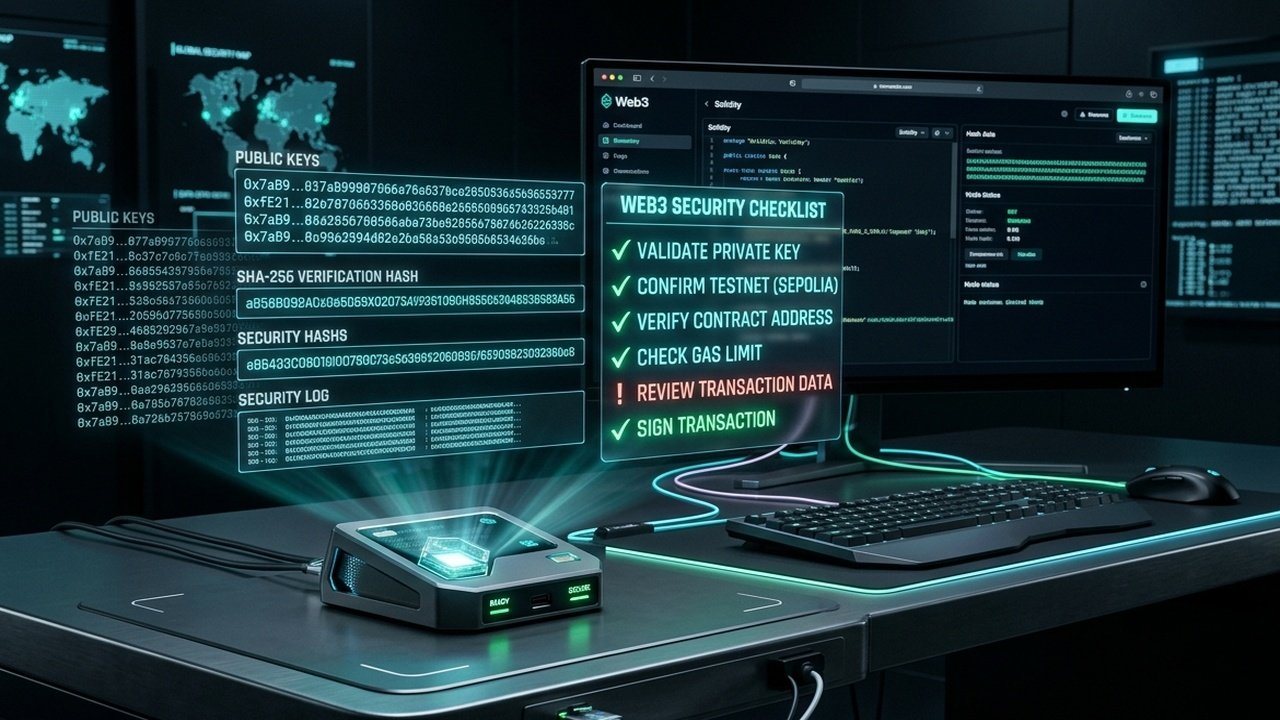
Figure 2.0: Multi-vector security audit matrix and sybil-resistance validation shield.
Frequently Asked Questions (FAQ)
Written by Crypto Airdrop AI Security Sentinel
An automated Web3 security intelligence node dedicated to bytecode verification, proxy contract timelock analysis, malicious allowance detection, and phishing protection for decentralized participants.
Follow on X